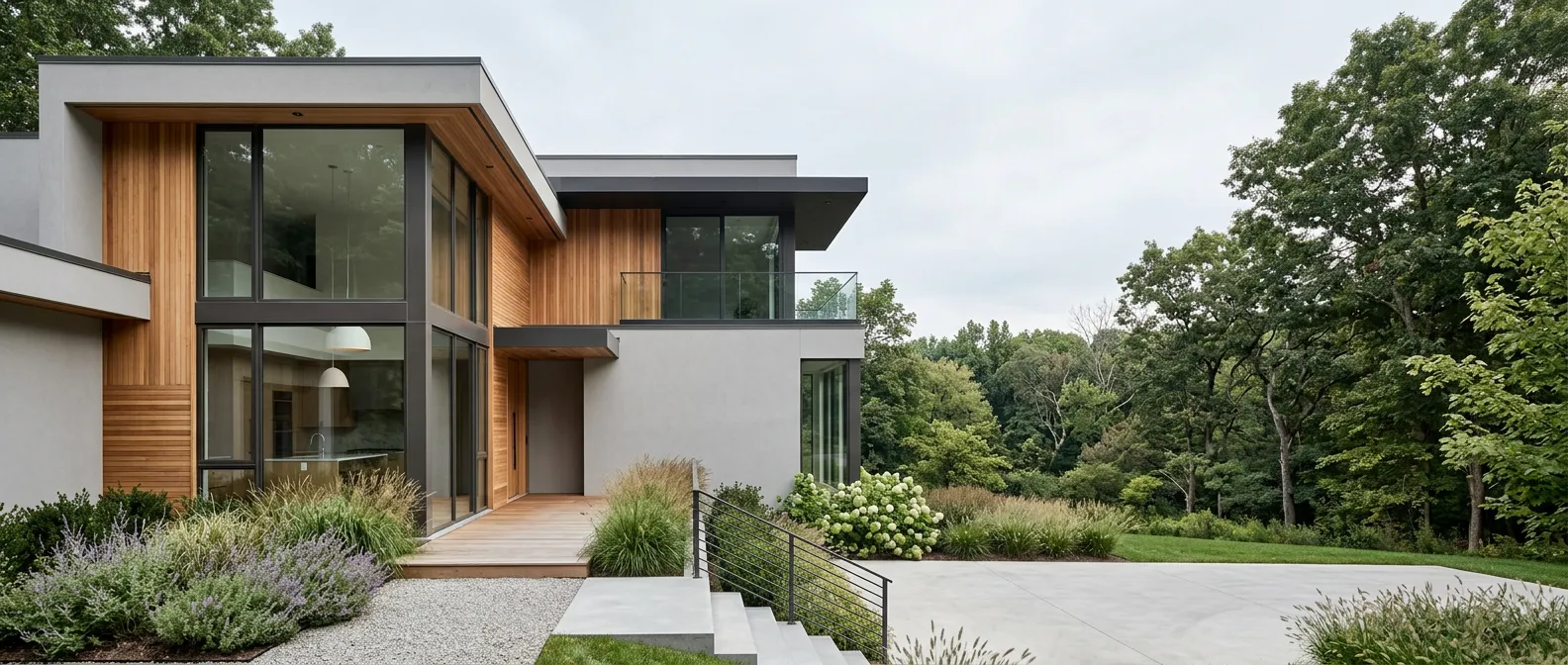
In Tampa, plan exterior painting for the drier, less humid stretch from roughly late November through April. Summer is workable but slower, because the daily afternoon storm pattern and high overnight humidity shrink the usable window. Atlantic hurricane season runs June 1 to November 30, so most homeowners book the shoulder months.
Why humidity matters more than temperature here
Most homeowners ask about heat. In Tampa, moisture is the bigger variable. Exterior paint needs a dry surface going on and uninterrupted time to cure after. Stucco, wood trim and fascia all hold water you can't see, and a wall that looks dry at noon can still be damp an inch into the surface.
The other half of the problem is overnight. When the air cools toward the dew point, moisture condenses on freshly painted walls. A coat that went on cleanly at 2 p.m. can end up with a dull, blotchy or soft finish by morning. That's not a product defect — it's a scheduling decision that went wrong.
Every paint manufacturer publishes its own temperature and humidity limits on the product data sheet, and those limits differ by product. We check the sheet for whatever we're spraying or rolling on your house and work inside it rather than guessing. If conditions are outside the range, we stop and come back — repainting a failed coat costs far more than losing an afternoon.
The rainy-season reality in Tampa
From roughly June through September, Tampa settles into a daily pattern: a bright morning, building clouds, then a thunderstorm in the afternoon. It doesn't rain all day, but it rains most days, and it rains on the part of the day you'd otherwise be painting.
That's why crews start early in summer. You get prep and application done in the morning, then stop well before the storms arrive so the coating isn't hit with rain before it has set. A job that takes a handful of working days in February can stretch out noticeably in August, purely because of weather windows.
So yes, we paint exteriors in summer. We're just honest in the estimate about what that does to the schedule, and we won't promise a finish date the sky can't keep.
How hurricane season affects the schedule
The Atlantic hurricane season runs from June 1 through November 30 each year, with activity peaking from mid-August into October, according to NOAA's National Hurricane Center. Those dates are the main reason Tampa homeowners cluster their exterior work into the shoulder months on either side.
There are two practical issues during the season. The obvious one is storms interrupting an in-progress job. The less obvious one is that a named storm approaching the Gulf coast means ladders, staging, drop cloths and materials all have to come off your property, which costs days even if the storm misses.
Late fall through spring is the easier window: lower humidity, longer dry stretches, and no tropical system to plan around. That's also when demand is highest, so if you want exterior work done over the dry months, booking early matters more than it does in July.
Prep is weather-dependent too
Preparation is where most of the weather risk actually sits. Pressure washing drives water into stucco and into end grain on wood trim, and that surface has to dry before anything goes over it. Washing and painting on the same day is one of the most common reasons coatings fail early in Florida.
Caulking joints, patching hairline stucco cracks and priming bare stucco or raw wood all need dry conditions as well. Bare stucco in particular is porous, and sealing it while it's still carrying moisture traps that moisture under the finish coat.
We build the dry time between washing and painting into the plan instead of compressing it. Careful surface preparation is the part of the job you never see, and it's the part that decides how the paint looks three years in. Carlos Garcia has run that process across more than 250 completed remodeling and construction projects.
Signs your exterior is overdue, whatever the season
Chalking is the clearest one. Rub a dry hand across the wall; if it comes away with a powdery residue, the binder in the coating has broken down under UV and the surface is no longer protecting what's underneath.
Look next at your south and west walls. Those take the most sun in Tampa, so fading and color drift usually show up there a year or two before the shaded sides. If one elevation looks noticeably washed out, the whole house is on the clock.
Then check trim, fascia and soffits. Peeling, splitting caulk joints and soft spots at the fascia are water-entry problems, not cosmetic ones, and they get worse fast during the rainy months. Hairline stucco cracks fall in the same category — they're cheap to address now and expensive to ignore. If you're seeing any of these, we'd rather look at it sooner and plan the work properly than wait for a perfect month. You can request a free estimate or call (386) 251-9778.
Interior painting is the all-season option
Interior work doesn't care about the forecast. If your exterior window is months away, the rainy season is a sensible time to handle repainting bedrooms and living spaces, refreshing trim and doors, or doing the touch-ups and finishing work left behind by other projects.
It also pairs naturally with bigger jobs. Painting is often the last trade in a renovation, and we handle it as part of the project rather than leaving you to find a separate painter — the same applies to a bathroom remodel or a kitchen update where walls, trim and ceilings all need finishing.
You can see the full scope of what we cover on our house painting services page, and more on surface prep and coatings in our post on professional painting for Florida homes.